
What Is the DPE and Why It Matters in France
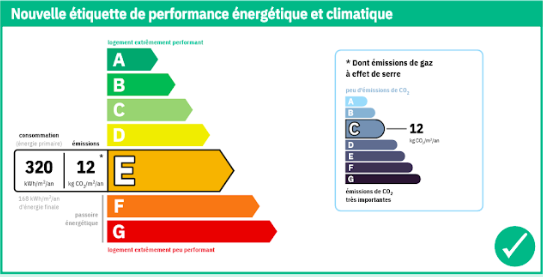
In France, energy performance ratings — known as the DPE (Diagnostic de Performance Énergétique) — play an increasingly central role in real estate transactions. Whether buying, selling, or investing, understanding a property’s French energy rating has become essential, as it directly impacts value, rental eligibility, and long-term strategy.
From 1 January 2026, a new reform will modify how the DPE is calculated, reshaping the way energy performance is assessed — particularly for properties heated with electricity. This article explains what is changing with the DPE 2026 reform, why it matters, and how it may affect owners, buyers, and investors in Paris and across France.
If you would like a refresher on how French energy ratings work, you may also find these articles helpful:
– Fixing Paris Apartment Energy Ratings
– French Energy Rankings Will Improve for Small Apartments
French Energy Ratings Evolve in 2026: What Buyers and Owners Need to Know
Since its introduction, the Diagnostic de Performance Énergétique (DPE) has become a pillar of France’s real estate market — a tool that not only informs buyers and tenants about a property’s energy performance but also increasingly shapes regulatory and investment decisions. With a major reform taking effect on 1 January 2026, the way energy performance is calculated and read is changing in a way that can significantly impact property valuations, rental eligibility, and marketability.
What’s Changing in 2026? A More Balanced DPE
The heart of the 2026 reform lies in the method the DPE uses to calculate energy performance, especially for properties heated with electricity. Historically, electric heating was penalized in the DPE calculation due to a high conversion factor that translated electricity consumption into “primary energy.”
Starting 1 January 2026, the electricity conversion coefficient drops from 2.3 to 1.9.
This adjustment brings the calculation more in line with European standards and more accurately reflects France’s largely low-carbon electricity mix — dominated by nuclear and renewables.
Properties heated with electricity — especially smaller apartments and studios — often saw poorer energy ratings relative to their actual emissions and consumption. The new coefficient reduces this imbalance.
As a result, many properties will automatically see improved DPE labels, sometimes rising by one or more classes.


Who Stands to Benefit?
This isn’t a regulatory tweak with subtle effects but rather a market-moving change:
* 850,000 or more homes currently classified as energy “passoires thermiques” (F or G) are expected to move up at least one letter simply through the recalculation.
Most of these are electric-heated properties — common across Paris’s central arrondissements and in smaller apartments where electric heating is the norm. For clients from abroad assessing value or eligibility to rent in France, this means:
* Better energy labels without renovation work
* Fewer immediate barriers to leasing or selling
* A more attractive entry point for investment properties previously penalised by outdated scoring
It’s important to stress that this “boost” comes from methodology, not physical upgrades: the thermal performance of walls, windows, insulation and occupant comfort remain unchanged.
What Remains the Same — and What to Watch
* Existing DPEs are still valid. Certificates issued before 2026 remain legally binding and can be updated for free with the new calculations via the ADEME platform, without a full new inspection.
* Energy costs and comfort won’t automatically improve. A better label doesn’t reduce actual consumption or bills — it simply aligns the scoring with a realistic energy mix.
* Encouraging long-term renovations is still a priority. The reform also aims to steer financial and technical support toward the real energy improvements — e.g., replacing fossil-fuel systems with heat pumps.
What This Means for Buyers, Investors, and Owners
For international buyers and investors, understanding the DPE reform is now a key part of evaluating Paris and French property:
* Valuation nuance: Energy labels influence buyer perception, financing conditions, and even some appraisal models.
* Rental eligibility: Moving out of an F or G rating can mean avoiding rental bans and tightening rental markets.
* Informed negotiation: A better DPE label strengthens confidence but should be weighed alongside insulation quality, utility costs, and long-term sustainability plans.
Conclusion: A Technical Change With Practical Impact
The new DPE effective January 2026 doesn’t rewrite the rulebook entirely, but it shifts the lens through which properties are evaluated — particularly those with electric heating. For buyers and owners, this isn’t just a regulatory update; it’s a reminder that energy performance remains central to property value and marketability in France.
At 56Paris, we help international clients interpret these nuances, ensuring your property decisions — whether buying, selling, or renting — are grounded in both local regulation and real-world performance.
Contact us if you would like to discuss your project in Paris.